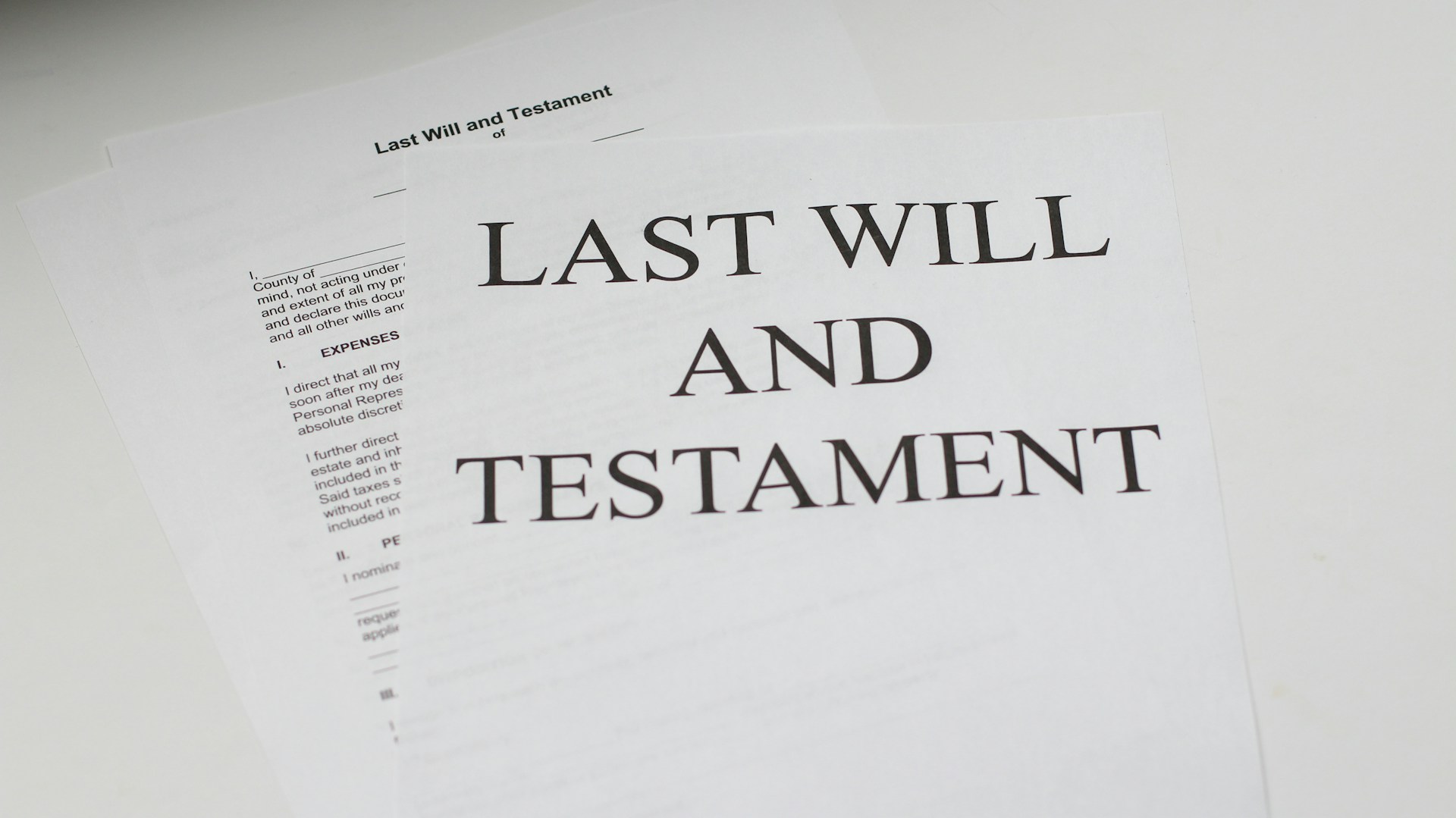
When most people think of estate planning, the first document that comes to mind is a Last Will and Testament. A Will is an important part of any comprehensive plan—however, relying on a Will alone can leave major gaps that create unnecessary stress, cost, and complications for your loved ones.
A Will is a starting point, not a complete plan.
Below are the key reasons why a Will by itself simply isn’t enough.
1. A Will Must Go Through Probate
A Will does not automatically transfer your assets to your heirs. Before your beneficiaries can receive what you’ve left them, your Will usually must be admitted to probate — a court-supervised process to validate the document and distribute your estate. Probate can be time-consuming, costly, and public, often lasting many months and requiring court filings, notices, and oversight. In the meantime, your family may be left waiting for access to important assets just when they need them most.
2. It Only Applies After Death — Not During Your Lifetime
A Will only becomes effective at your death. It cannot help if, during your lifetime, you become incapacitated due to illness, injury, or dementia. Without the proper legal tools — like a durable power of attorney or healthcare directive — your family may need to go to court simply to manage your finances or make medical decisions on your behalf. That’s a burden no one should face during an already difficult time.
3. Some Assets Aren’t Controlled by Your Will at All
Many important assets bypass your Will entirely, including:
Retirement accounts (401(k)s, IRAs)
Life insurance policies
Payable-on-death (POD) or transfer-on-death (TOD) accounts
Jointly held property with rights of survivorship
These assets transfer directly to the beneficiaries or co-owners listed on account records, regardless of what your Will says. If beneficiary designations are outdated or do not match your current intentions, your estate may pass to the wrong people. Coordinating these designations with a broader estate plan is essential.
4. A Will Offers Limited Control Over How and When Assets Are Distributed
While a Will lets you name beneficiaries and a personal representative, it doesn’t give you much control over how your heirs receive their inheritances. For example:
A lump-sum distribution to a young or financially inexperienced heir may not be in their best interest.
A trust can allow you to delay distributions until certain milestones are reached or use a trustee to manage funds wisely.
You can also tailor instructions for specific circumstances, such as providing for a loved one with special needs.
These levels of customization simply aren’t possible through a Will alone.
5. You Need Tools for Medical and Financial Decision-Making
Beyond distributing assets, a comprehensive estate plan should include documents that:
Appoint someone to make healthcare decisions if you’re unable to (advance directive or living will).
Grant a trusted agent authority to handle your financial affairs if you’re incapacitated.
Express your wishes regarding end-of-life care and comfort.
These tools empower the people you trust to act on your behalf before death — and without court intervention.
A Will Is Just One Piece of the Puzzle
Think of a Will as a cornerstone of your estate plan — but not the whole foundation. A complete plan brings together multiple documents designed to:
✔ Avoid or simplify probate
✔ Protect you and your family if illness strikes
✔ Coordinate beneficiary designations
✔ Provide clear, enforceable instructions for financial and medical decisions
✔ Increase privacy and reduce legal complications
Working with an experienced estate planning attorney can help ensure your plan reflects your goals and truly protects your loved ones.
In Summary
In short, A Last Will and Testament isn’t enough. It’s a great start to your estate planning, but it’s simply a place to start. For more information on how to properly plan your estate, feel free to contact our office anytime (24/7) at 813-897-0295 to schedule your initial consultation and an estate planning attorney.


Leave a Reply